Information architecture for better experience in ADENE’s website
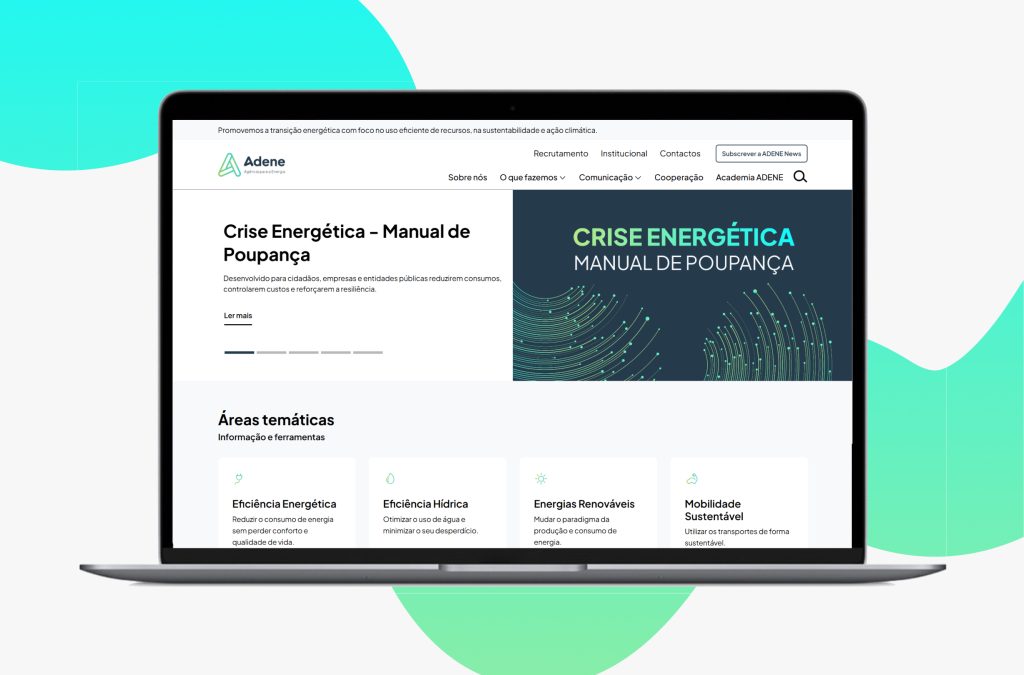
ADENE is Portugal’s national energy agency, responsible for promoting energy efficiency and sustainable practices. Their website serves a wide range of users—from citizens to businesses and public institutions—making clarity, accessibility, and ease of navigation critical.
This project focused on redesigning the website with a strong emphasis on Information Architecture (IA) and UX Writing as key drivers to improve usability and accessibility.
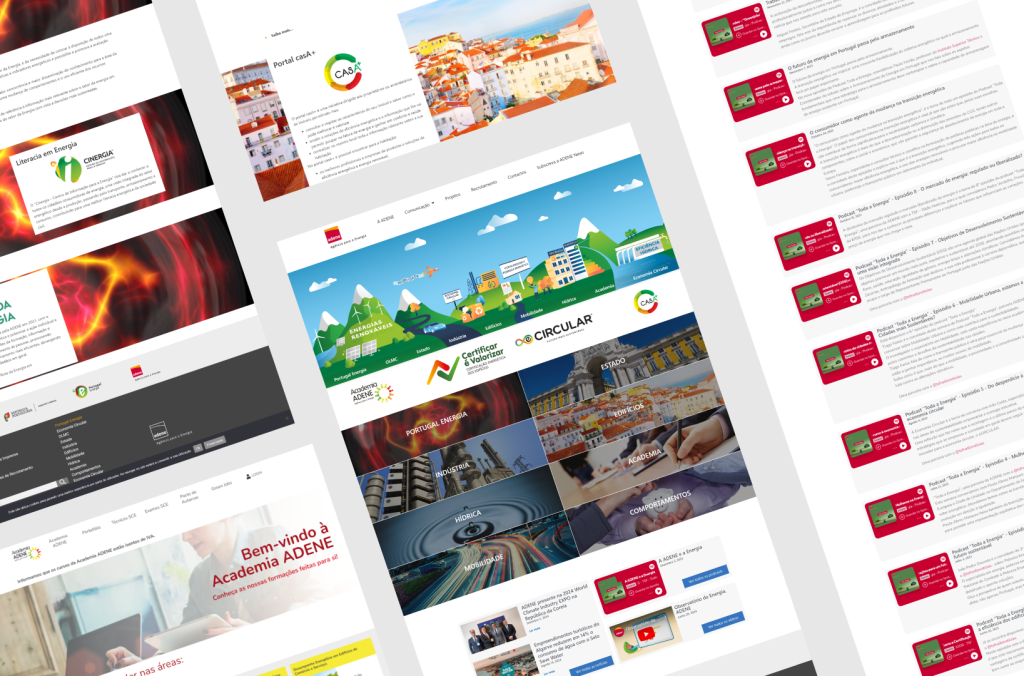
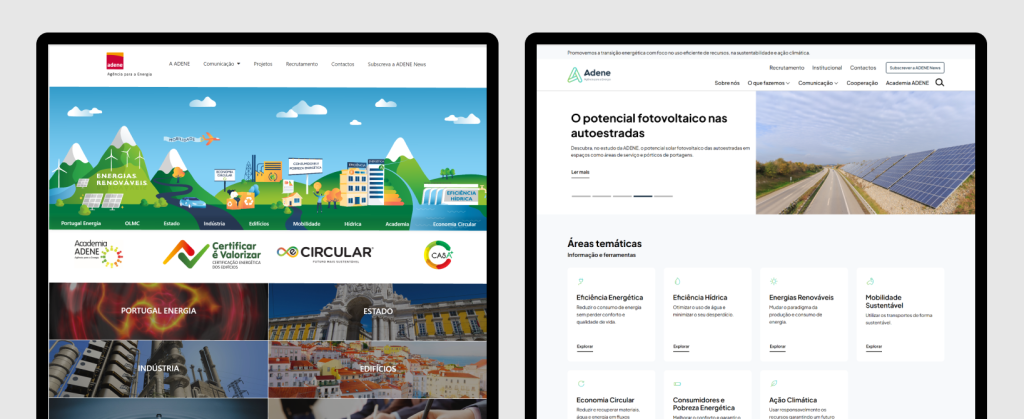
The existing website had grown organically over time, resulting in complex navigation and scattered content, overlapping functionalities across different sections and barriers to accessibility and comprehension for diverse audiences. The main challenge was to simplify the structure while ensuring that users could easily find, understand, and act on information.
Our approach
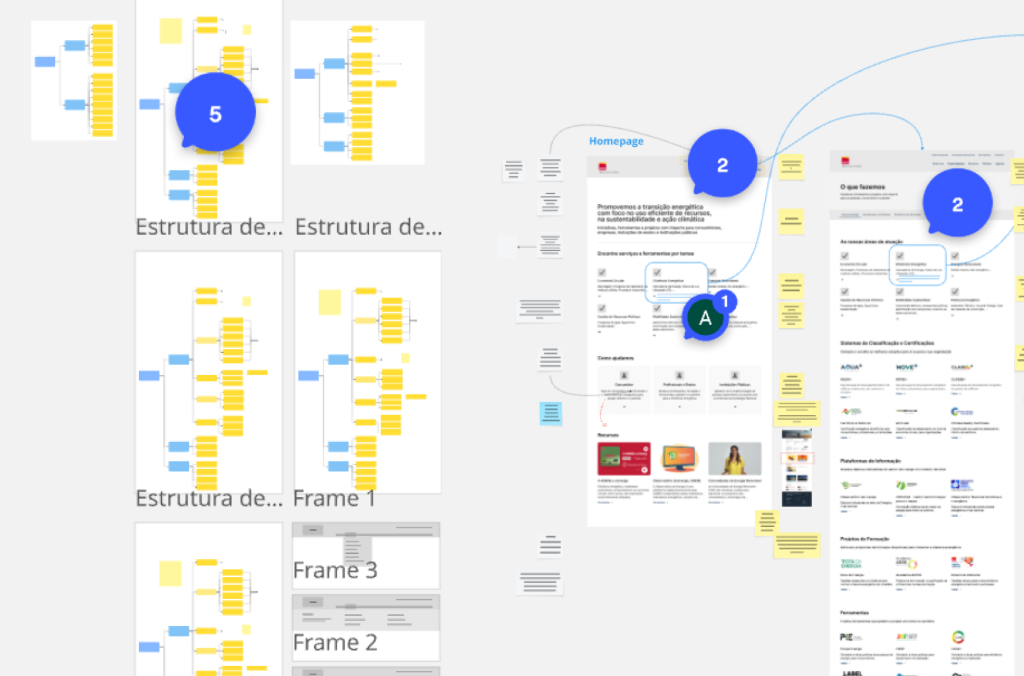
We followed a structured, user-centered process combining research, collaboration, and iterative validation, with benchmarking, mapping of existing ecosystem and its functionalities, functional requirements analysis, information architecture redesign with co-creation workshops, prototyping and implementation.
Co-creation workshops for business insights
We facilitated a co-creation workshop, bringing together different departments to collaboratively define a scalable thematic page template. This ensured alignment across areas, shared ownership of the structure, and consistent user experience.
What we delivered
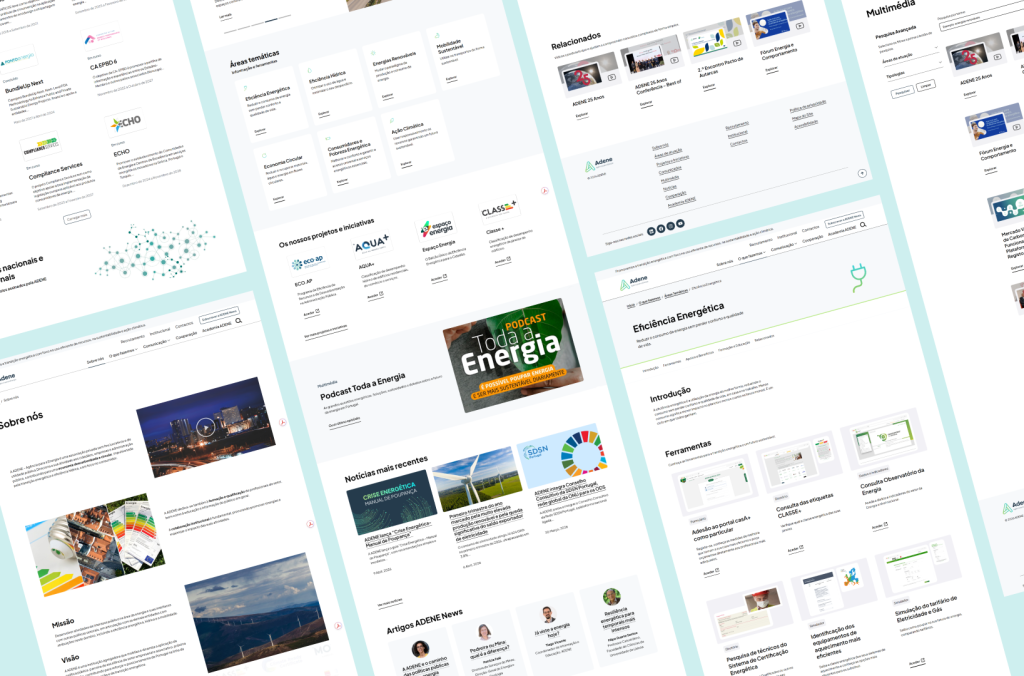
Our work led to significant improvements in findability, as users locate information faster and with fewer steps; clarity, when simplified language improved comprehension across audiences; consistency through a unified structure and tone across all pages; and accessibility, with better support for inclusive access and assistive technologies.
Clear and simpler communication
UX writing played a central role (ensuring language is simple, consistent, and accessible to all users, including those with lower literacy or specific accessibility needs).
User testing for usability and accessibility
We conducted testing sessions to evaluate ease of navigation, task completion rates, content clarity and accessibility compliance (WCAG standards). Insights from testing informed final refinements before launch.